Kitchen rescue 13 min read
Power cut? How to heat food, with tea lights as a last resort
Cooker off in a power cut? What to try first, how to warm tinned soup in a small pan on two tea lights as a last resort, and how UK homes can get ready.
- Josh
The telly’s gone off. And the wifi.
- Ellie
And the cooker. What’s for tea?
- Dad
Where’s the muffin tin?
- Mum
What are you baking in the dark?
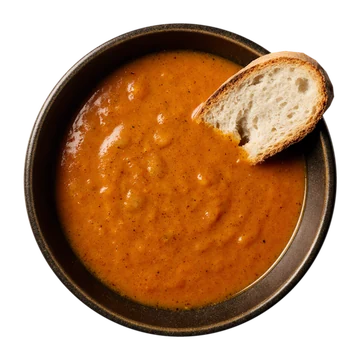
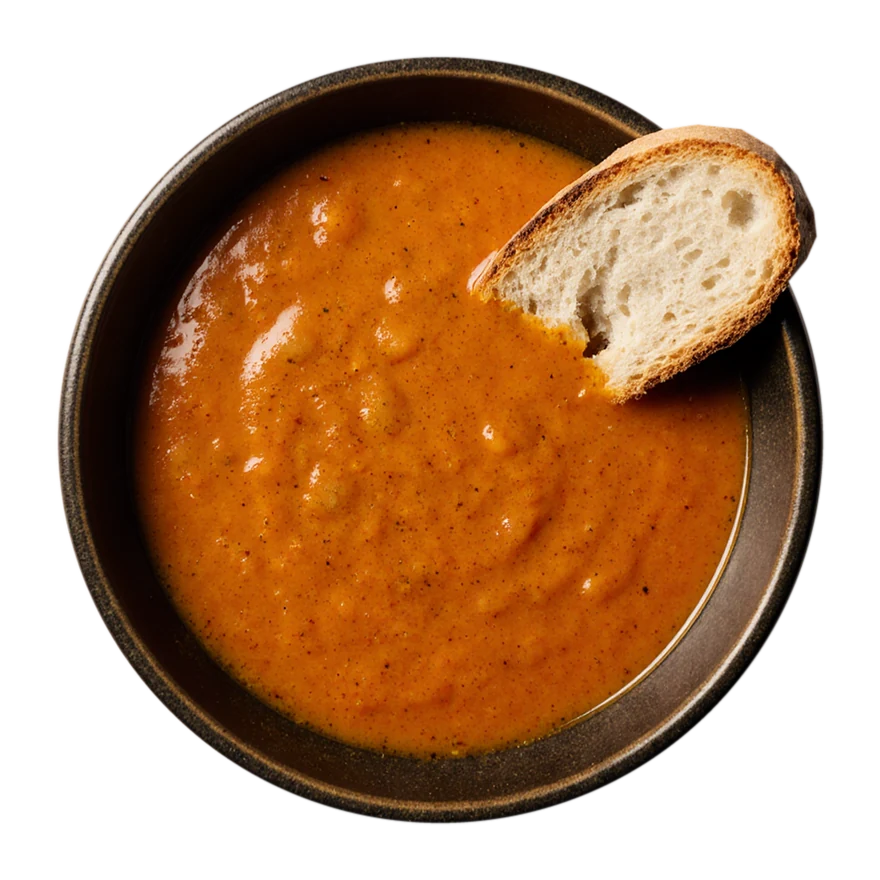
In a power cut, the electric cooker, the microwave and the kettle all stop. If nothing safer is to hand, a metal muffin tin, two tea lights and a small saucepan can warm a mug of tinned soup while you wait for the lights to come back. It’s slow, it carries a real fire risk and someone has to stand over it the whole time. It won’t cook a dinner. On a cold night, though, a warm mug of soup is a fine thing.
Why are UK homes being asked to get ready?
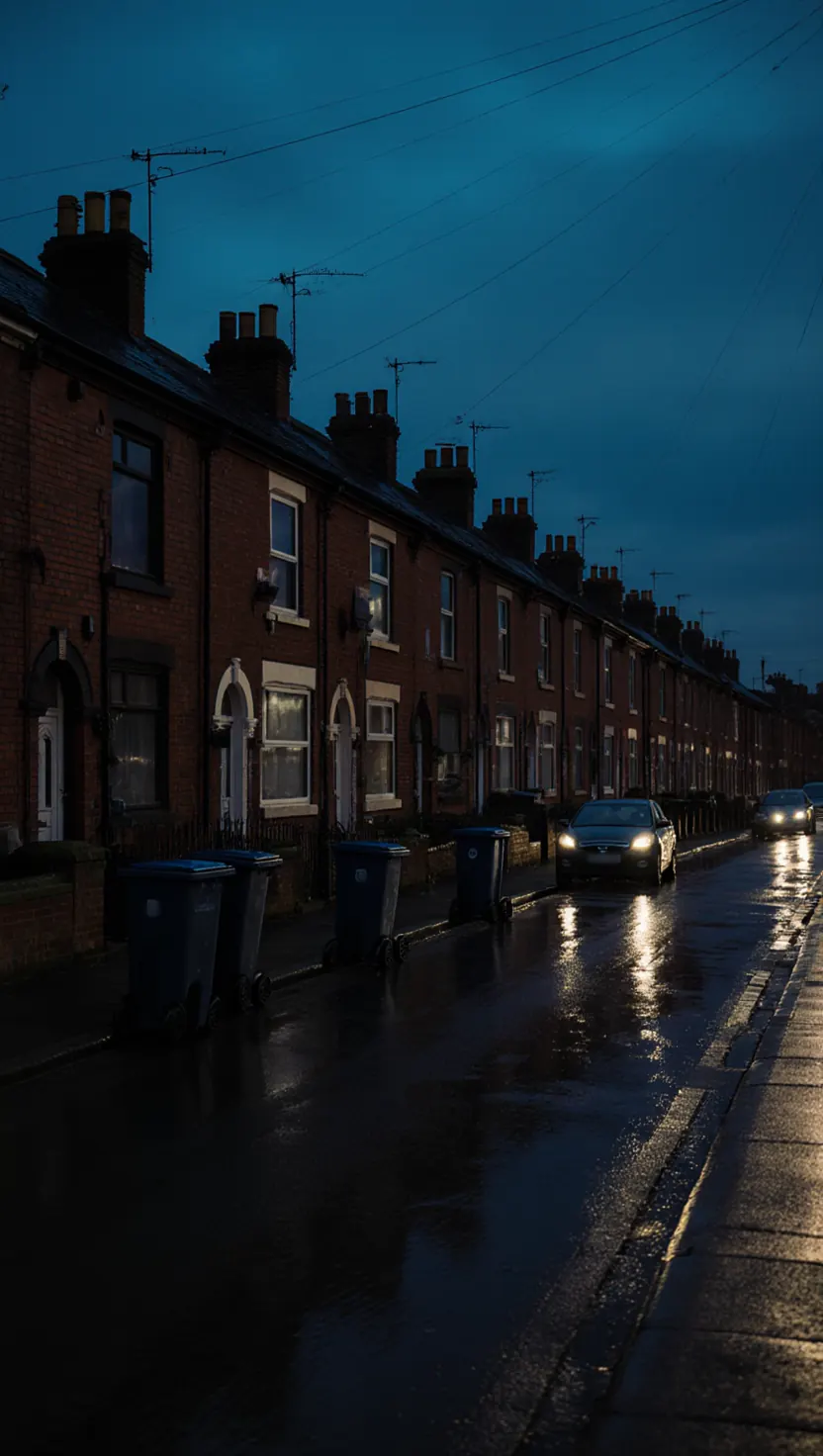
Most power cuts are over quickly, but not all of them. When Storm Éowyn hit in January 2025, around 30% of all homes and businesses in Northern Ireland lost power at the peak. Three days later, about 60,000 customers were still waiting.
The UK government’s Be Ready campaign, launched in October 2026, asks households to be able to manage for 3 days, so that support can reach those most in need. Ready Scotland and nidirect have local advice. You don’t need to buy it all at once. Start with what’s in your cupboards and add an item or two when you can. There’s a list further down.
How do you heat food in a power cut?
Cooking without electricity doesn’t have to mean candles. Tea lights are the last resort, so go through these first:
- A gas hob. The Food Standards Agency says gas cookers may keep working when electric and induction ones can’t. If yours has an electric spark, check its manual for lighting it by hand. Never leave it on to warm the room
- A camping stove or barbecue, outside. The agency says these can cook food and heat water, but most are made for outdoor use only. Use one out in the open, never in a garage, porch or tent, and make sure food ends up steaming hot
- A flask. If a storm is forecast, fill flasks with boiling water while the kettle still works
- Not heating it. The agency says some foods, such as tinned food, are safe to eat without heating through. Check the label. Cold beans won’t win any prizes, but they’ll do
- A neighbour. Someone nearby with a gas hob may be glad to heat a pan for you. In a long power cut, network companies and councils sometimes arrange hot food and drinks too, so ask when you report the cut
Never bring a barbecue indoors, or a camping stove that isn’t made for indoor use. Burning fuel indoors can cause carbon monoxide poisoning, which you can’t see or smell.
If you can smell gas, light nothing and put out anything already lit. Open doors and windows, get outside and call 0800 111 999, or 0800 002 001 in Northern Ireland.
Does a tea light stove actually work?
Yes, slowly. A tea light stove, sometimes called a muffin tin stove, is just tea lights in a metal muffin tin with a pan on top. A tea light gives out around 30 watts, and a kettle about 3,000. So two together are roughly a fiftieth of a kettle, and plenty of that heat misses the pan.
Our rough sum says one mug of soup could take an hour or more to get warm, with the lid on, and half an hour only if everything goes your way. In a cold kitchen with a heavy pan it may never get past lukewarm. Think warm, not boiling. It won’t make a proper cup of tea.
Is a tea light stove safe?
No. It’s a last resort with real risks. No UK fire service we could find recommends it. Derbyshire Fire and Rescue Service says tea lights should not be used for anything other than their intended purpose. It said so after around 50 residents were evacuated from a block of flats in Derby in 2022, when a homemade tea light heater collapsed and the melted wax caught fire.
London Fire Brigade has warned against covering candles with anything, because whatever is over the flame gets very hot and could melt or catch fire. A pan over a tea light goes against that advice, so go in knowing it. If you do use it:
- Never light it in a home where anyone uses medical oxygen, including a backup cylinder. Anyone using emollient creams for dry skin should stay well away, because clothes and dressings with cream dried into them catch fire easily
- Never use it to warm a room. Blankets and warm clothes are far safer
- Light the house with torches, which the government says are safer than candles
- Never leave it lit, even for a moment
- Test your smoke and carbon monoxide alarms first. Mains wired ones need a backup battery to work in a power cut
- Keep a clear way out, with a torch and a charged mobile on you
What can you heat on tea lights?
Use it to take the chill off food that’s already safe to eat, such as a freshly opened tin of soup, beans or pasta that doesn’t need cooking, or water for a warm drink. Don’t use a tin that’s bulging, deeply dented or rusty.
Warm only what you’ll have now, and have it as soon as it’s warm. The agency calls 8°C to 63°C the danger zone, because bacteria can grow there, and tea lights can leave food in that range. So don’t keep the pan going to keep it warm, don’t warm it twice, and throw away what’s left in the pan. If you’re feeding several people, finish one pan before you fill the next. Tip any tin you don’t finish into a clean tub with a lid straight away. Keep it only if you’ve somewhere below 8°C, and otherwise throw it out.
Leave these alone, because two tea lights can’t be trusted to get them hot enough:
- Raw meat, fish or eggs
- Rice, dried pasta, dried beans or anything else that needs to boil
- Leftovers or anything else from the fridge. If it’s ready to eat and still safe, eat it cold. Otherwise it needs to be steaming hot, which takes a gas hob or a camping stove outside
- Baby formula. The Food Standards Agency says you need to be able to boil water to make up powder safely. Keep ready to feed formula instead, and check the pack, because it may not need warming. The NHS explains more
- Food that needs heating to be safe, if it’s for young children, pregnant women, older people or anyone with an underlying health condition. The agency says theirs should be steaming hot before it’s eaten, and this can’t promise that. A freshly opened tin that doesn’t need cooking can be eaten cold
How to set up a muffin tin tea light stove
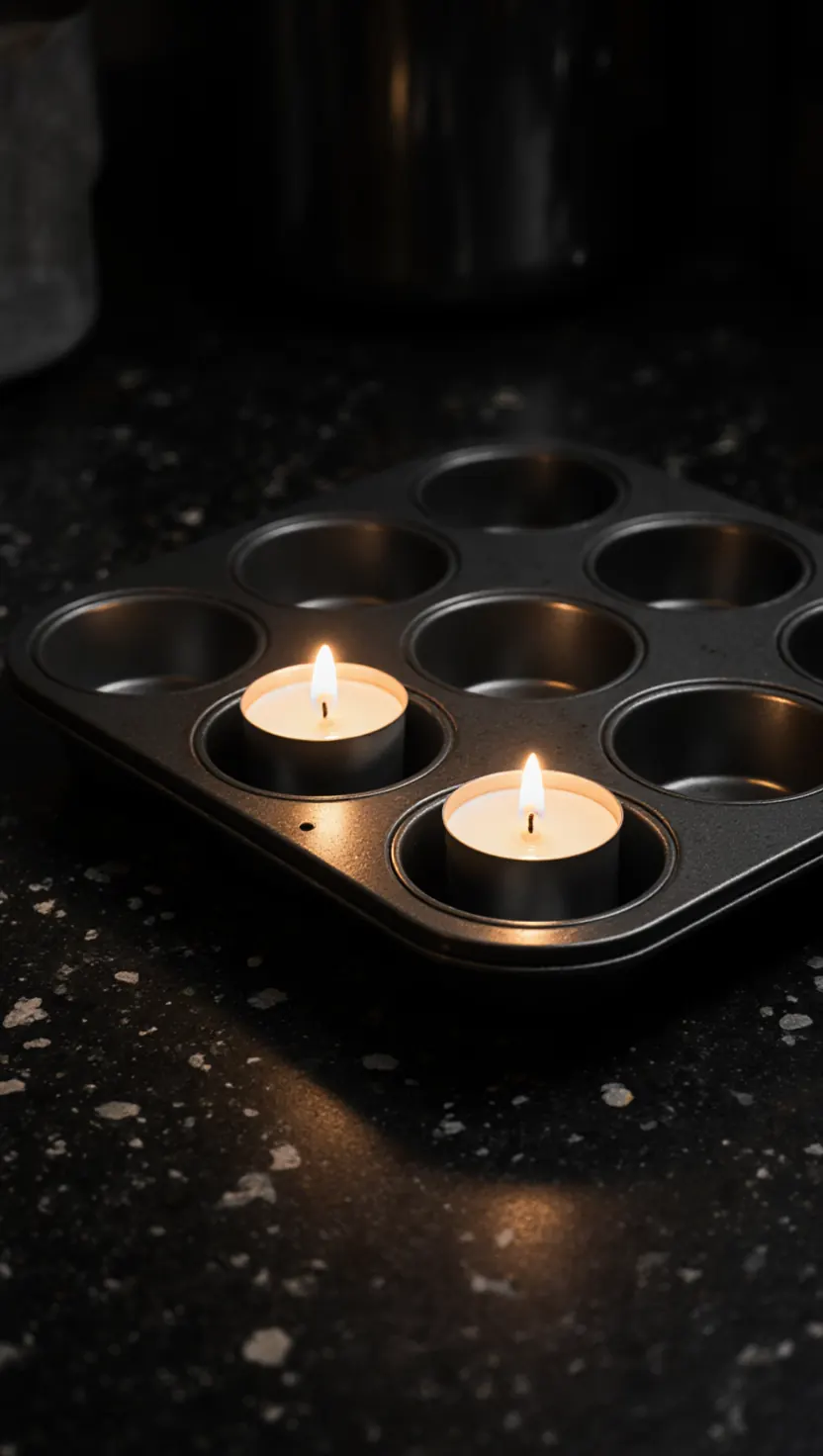
You’ll need a sturdy metal muffin tin with deep, flat bottomed holes, never silicone or foil. You’ll also need two ordinary tea lights in metal cases, a small metal saucepan with a lid, long matches, a long metal spoon, an oven glove and a torch. Get it all within reach first, and clear a heat proof spot for the hot pan.
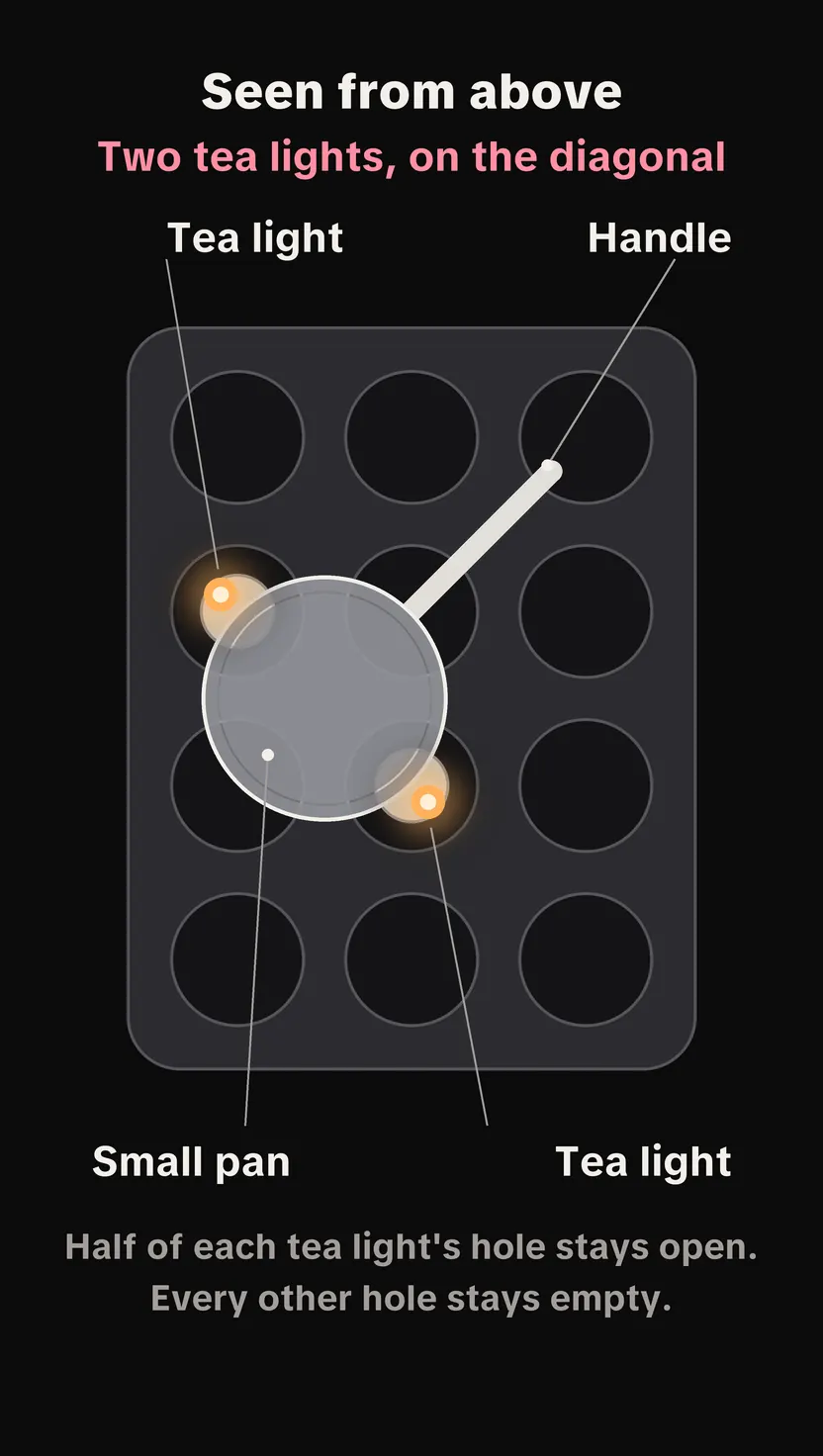
- 1. Pick your spot. Stand the tin on stone or ceramic tile, flat and well back from the edge. Tea lights get very hot underneath and can damage laminate or wood, so on those use a stone or ceramic board big enough for the whole tin. A table mat won’t do, and if you’ve nothing suitable, don’t light it. Keep well away from curtains, blinds, tea towels and kitchen roll, and never under a shelf or wall cupboard. Stay off the electric hob, because a ring left on can come back on with the power
- 2. Open a window a little, but not one beside the tin. Burning wax gives off fumes, and a flame touching a cold pan can make more carbon monoxide, though we don’t know how much from two tea lights. A window close by can blow the flames about or swing a blind into them
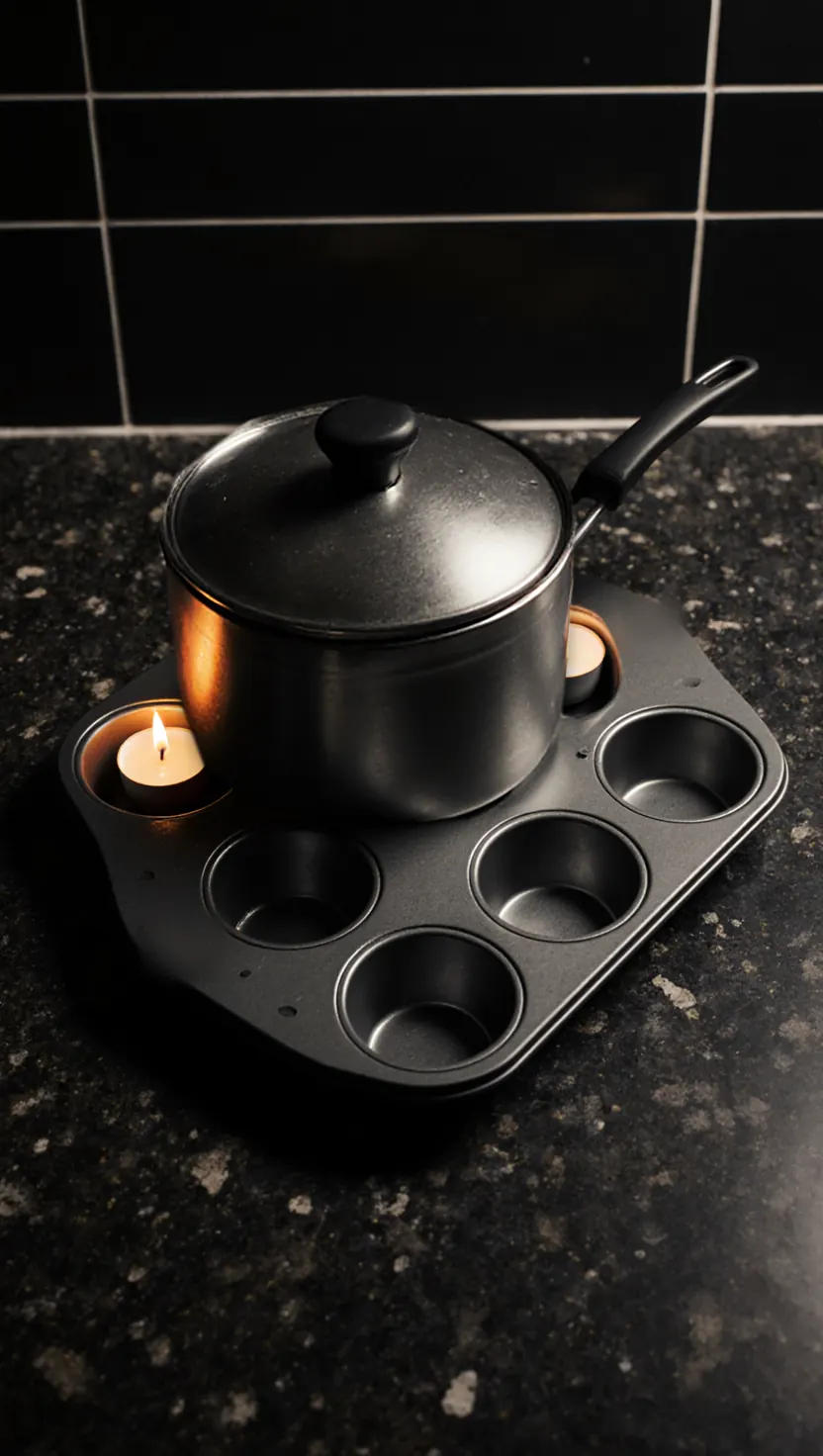
- 3. Two tea lights, no more. Find four holes that make a square in the middle of the tin, and put a tea light in two opposite corners, never side by side. Fire services warn that candles close together can flare, and some ask for at least 10cm between them. By our sums the diagonal leaves a little less, which is one more reason to watch them. A third might warm the pan sooner, but it makes a flare more likely. Don’t wrap foil or anything else round the tin or pan
- 4. Fill the pan. Tip the food out of its tin and into the pan, and put the lid on. One mug is plenty. Never heat food in its tin, a mug or a glass
- 5. Try it cold. Before lighting anything, sit the pan in the middle of the square, so its base covers about half of each tea light’s hole. Flames need air, so the other half stays open. If the base covers most of a hole, the pan is too big. Point the handle over an empty hole and back from the edge of the worktop, so you never reach across a flame. If the pan rocks, stop here. Otherwise remember where it sits and lift it off
- 6. Light, then lower. Light the tea lights, then lower the pan straight down with the oven glove. If it lands in the wrong place, lift it off and start again rather than sliding it
- 7. Stay with it. Nobody wanders off, not even for a moment. Keep children and pets out of the kitchen. Tie hair back, push sleeves up, and take off scarves, dressing gowns and any blanket round your shoulders. Use the oven glove for the handle and lid, never a tea towel, and lift the lid straight up so drips don’t fall in the wax. If anything rocks or shifts, lift the pan off and put the flames out
- 8. Pan off, flames out. Lift the pan straight up on to the heat proof spot. Put out each flame by holding the bowl of the long metal spoon over it. Fire services say a spoon is safer than blowing. Check with the torch that both are really out
- 9. Leave the tin alone. Metal and melted wax stay hot for a while. Wait until the tin is cold before you move it or put in new tea lights
The bottom of the pan will come out black with soot. Wipe it when it’s cold.
What if something goes wrong?
If a flame suddenly gets much bigger, spreads across the wax or reaches anything else, don’t use water. Don’t pour the soup on it, and don’t try to lift the pan or move the tin. Get everyone out, close the door behind you, stay out and call 999. If you can’t get through, try another phone, or go for help if it’s safe.
If clothes catch fire, stop, drop and roll. For a burn or scald, hold it under cool running water for 20 minutes, and don’t put cream, oil or butter on it. Call 111 if you’re not sure what to do.
If a carbon monoxide alarm sounds, or anyone feels dizzy, sick or headachy, get everyone outside into fresh air and don’t go back in until you’ve had advice. Call 111, or 999 if anyone finds it hard to breathe, is confused or has passed out.
How long does food last in a power cut?
Keep the fridge and freezer doors shut. If the power’s off for less than 4 hours, the Food Standards Agency says your food is unlikely to be affected, so don’t rush to throw it out. A fridge should stay cold for up to 4 hours. A full freezer should stay frozen for up to 48 hours and a half full one for 24, though these are estimates.
A fridge thermometer is how you know. If it reads 8°C or above, anything with a use by date, anything marked keep refrigerated and leftovers should be eaten within 4 hours or thrown out, unless the power comes back first. Without a thermometer, the cautious choice is to treat the fridge as too warm once the power has been off for 4 hours. If it’s below 8°C outside, the agency says you can keep food out there in a clean sealed box, dry, out of direct sun and away from animals.
Eat food from the fridge first, then defrosted food that doesn’t need cooking, then anything else that goes off quickly, with tins, bottles and dried food last. If the freezer gives up, we’d treat anything that has thawed as chilled food, with the same 8°C and 4 hour rule. The agency doesn’t spell this out, so if you can’t tell how warm it got, throw it out, and don’t refreeze thawed raw food.
Who do you call in a power cut?
Call 105 in England, Scotland and Wales, and 03457 643 643 in Northern Ireland. Write the number on paper now, because your phone may be flat when you need it. If anyone is in danger, call 999.
If someone at home relies on medical equipment, has a health condition or is of pensionable age, or you have a child aged five or under, check whether you can join the free Priority Services Register. In Northern Ireland, if someone relies on electricity for their health, ask NIE Networks about its Customer Care Register.
The list
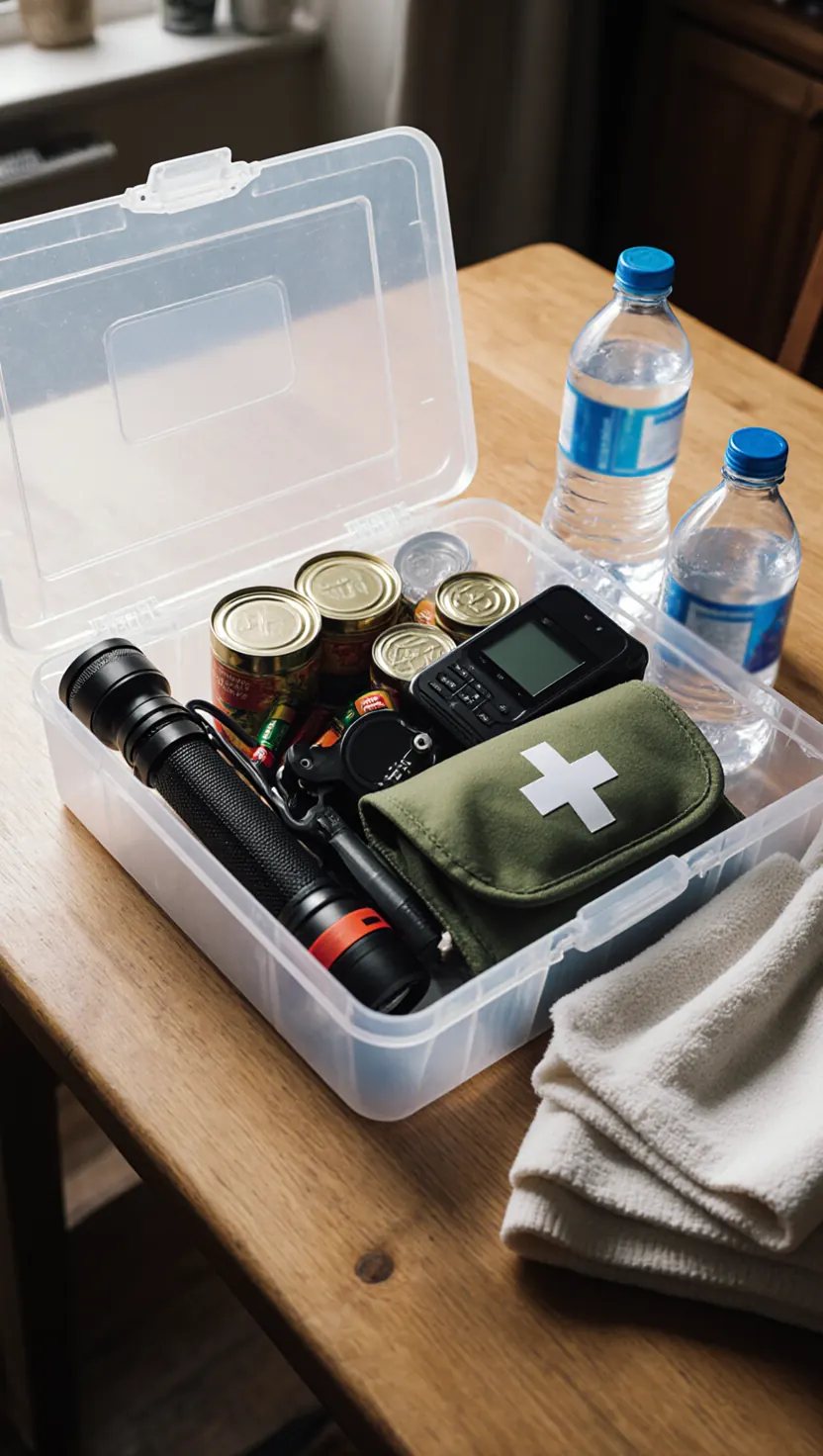
What to keep ready for a UK power cut
Get the torch, write down the number, and keep the muffin tin for muffins if you possibly can.
When the lights come back on
The power’s back, half the fridge is in the bin, and somebody is already asking what’s for dinner. Our plan B dinners need no defrosting, and our guide to planning a week of family dinners will get the week back on track. When you restock, one shopping list for the whole house saves a second trip.
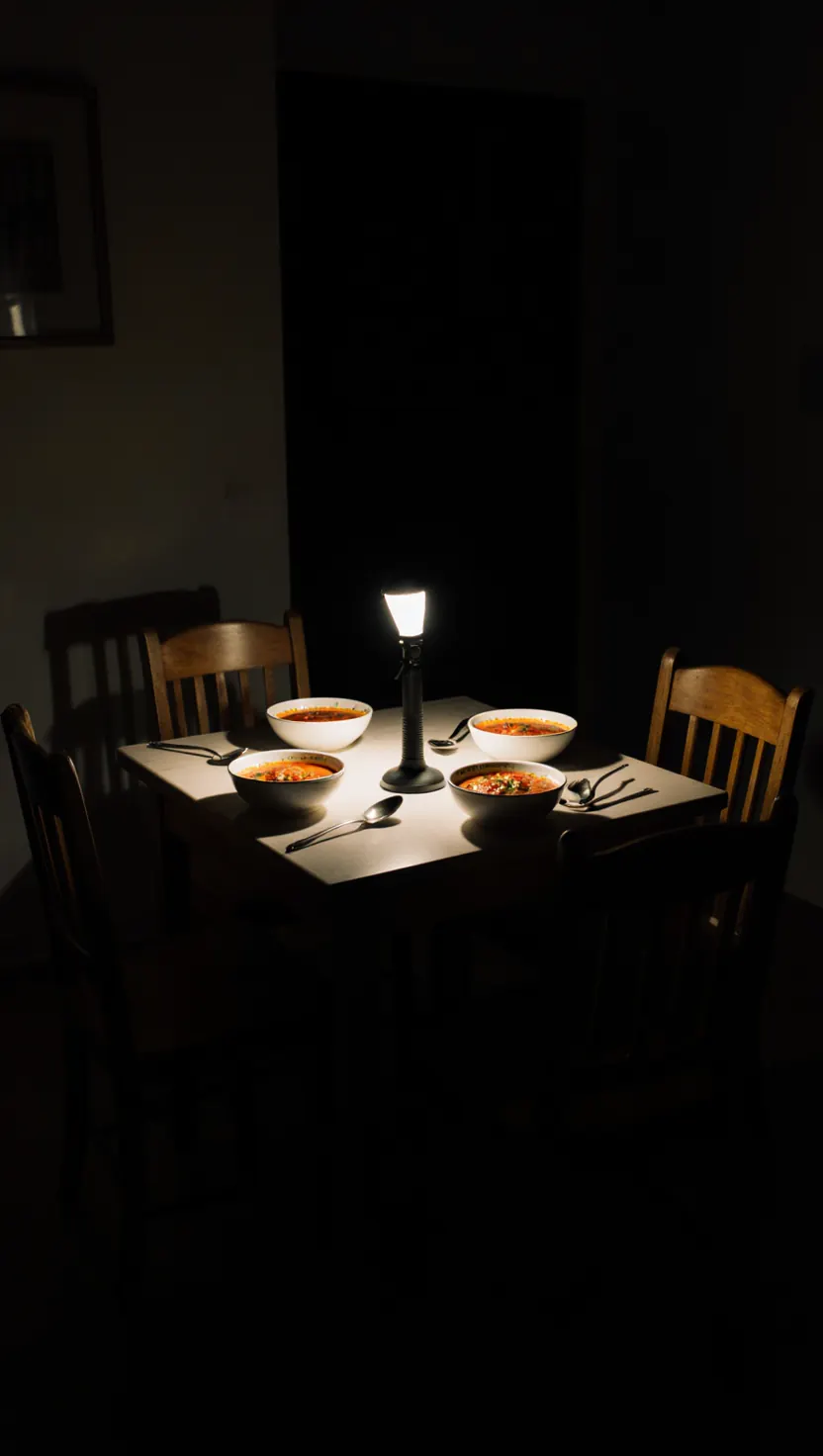
Clean plate