Planning 4 min read
How to plan a week of family dinners everyone will eat
A calm way to plan seven dinners for a busy house. Start with the nights you already know, give everyone a say, and keep one night spare.
Somebody always asks what’s for dinner. Usually at ten past five, usually more than once, and usually to the one person who hasn’t had a chance to think about it yet. Planning the week in one go takes about as long as that conversation does, and it only happens once.
This is the way we’d do it in a busy house. No spreadsheets, no colour coding, nothing you have to keep up.
Start with the week, not the recipes
Before you think about food at all, look at the week ahead. Football on Tuesday. A late shift on Thursday. Gran coming round on Sunday.
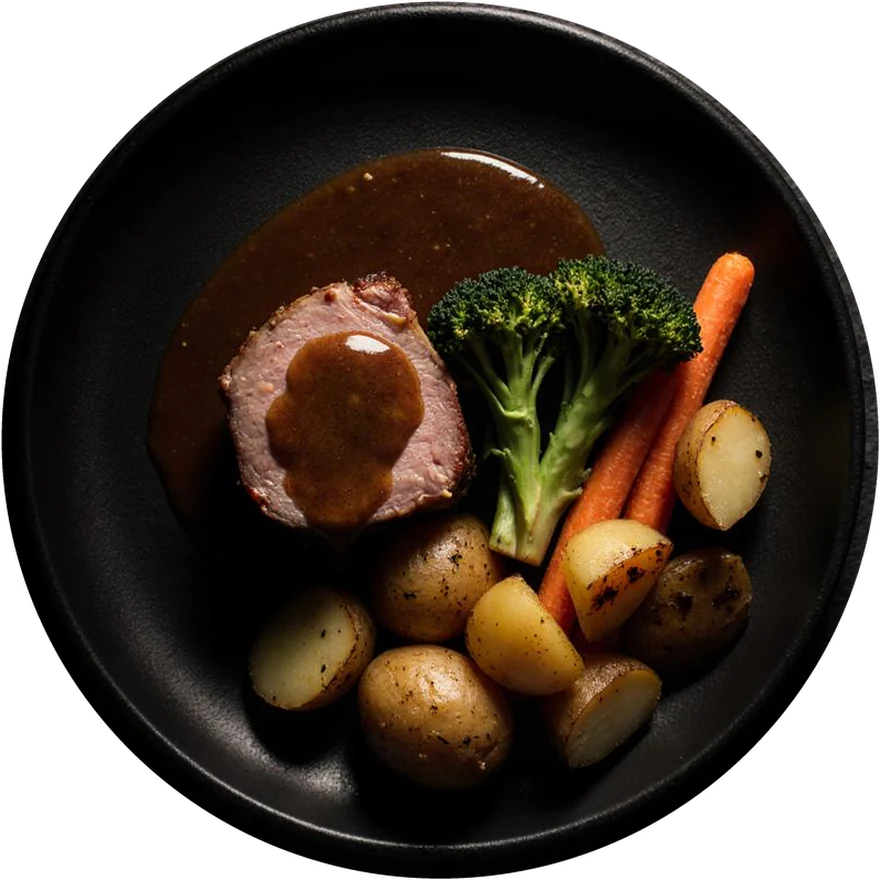
Those nights choose the dinner for you. A night with a late finish needs something quick, or something cooked the day before, or something that sits happily in a low oven until people come in. A free Sunday can take a roast. Once the busy nights are marked, the rest of the week usually falls into place.
Give everyone one night
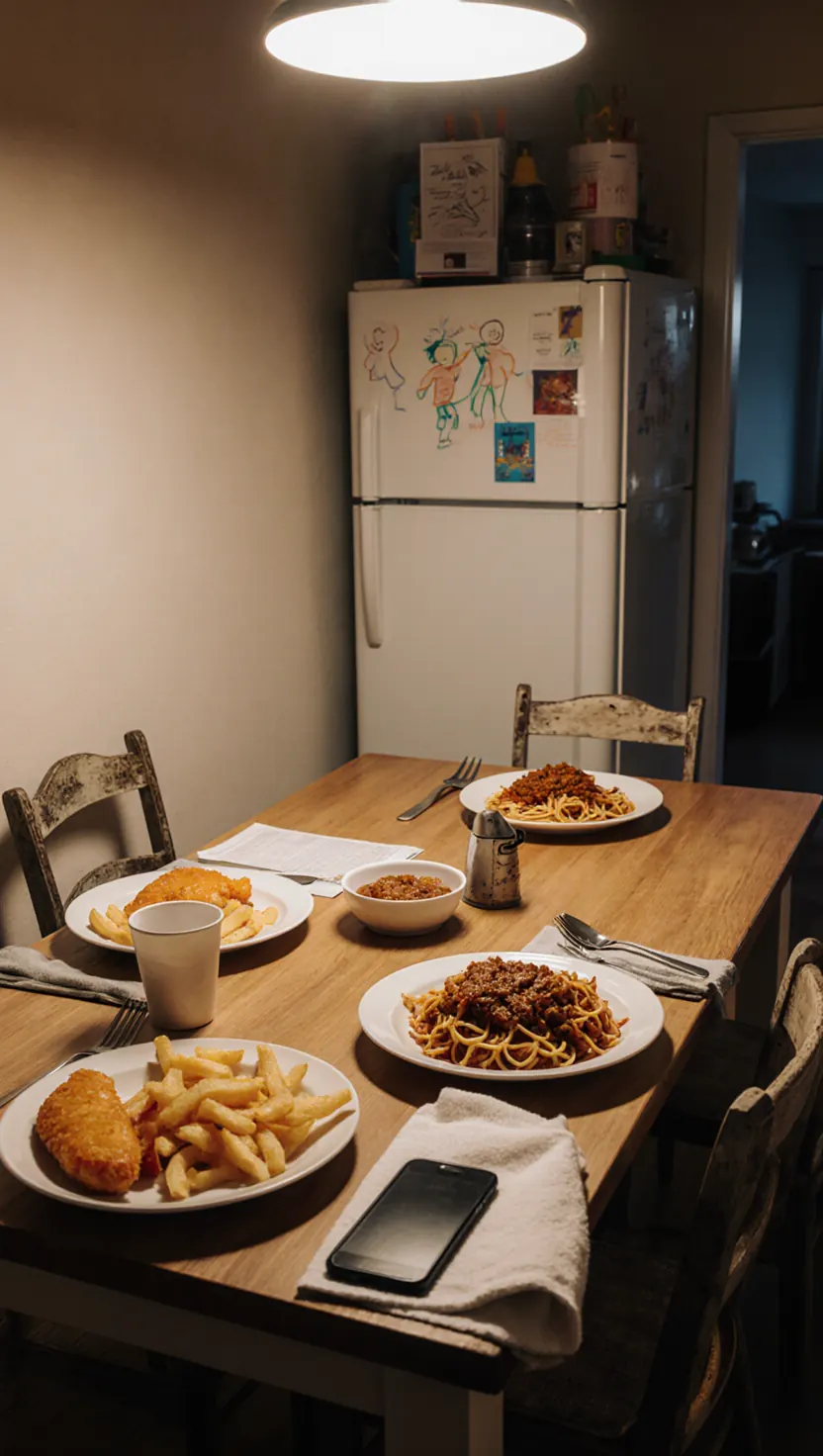
Ask each person in the house to pick one dinner for the week. Children too. They get their favourite, you get a night off deciding, and something useful happens: people rarely complain about the dinner they chose.
- Josh
Can we have tacos?
- Mum
Pick a night.
- Josh
Wednesday.
- Ellie
Then I’m having pasta on Thursday.
If someone picks the same thing every single week, that’s fine. A dinner people look forward to is worth repeating.
Keep a short list of dinners that work
Most houses eat the same ten or fifteen dinners on rotation, whether they mean to or not. Write yours down. It’s the most useful list in the kitchen, because when you sit down to plan you’re choosing from dinners you know everyone will eat, rather than staring at a blank page.
Add a new one now and again. If it goes down well, it joins the list. If it doesn’t, nobody needs to mention it again.
Cook once, eat twice
Some dinners are better the second time. A Sunday roast leaves enough meat for sandwiches or a quick pie on Monday. A big pot of chilli or bolognese will do two nights, or one night and a few portions for the freezer.
Plan these on purpose. Put the big cook on a night when there’s time, and put the second helping on a night when there isn’t. If part of it goes in the freezer, write down what it is and when you made it, and have a look at what to do when you forget to defrost.
Leave one night spare
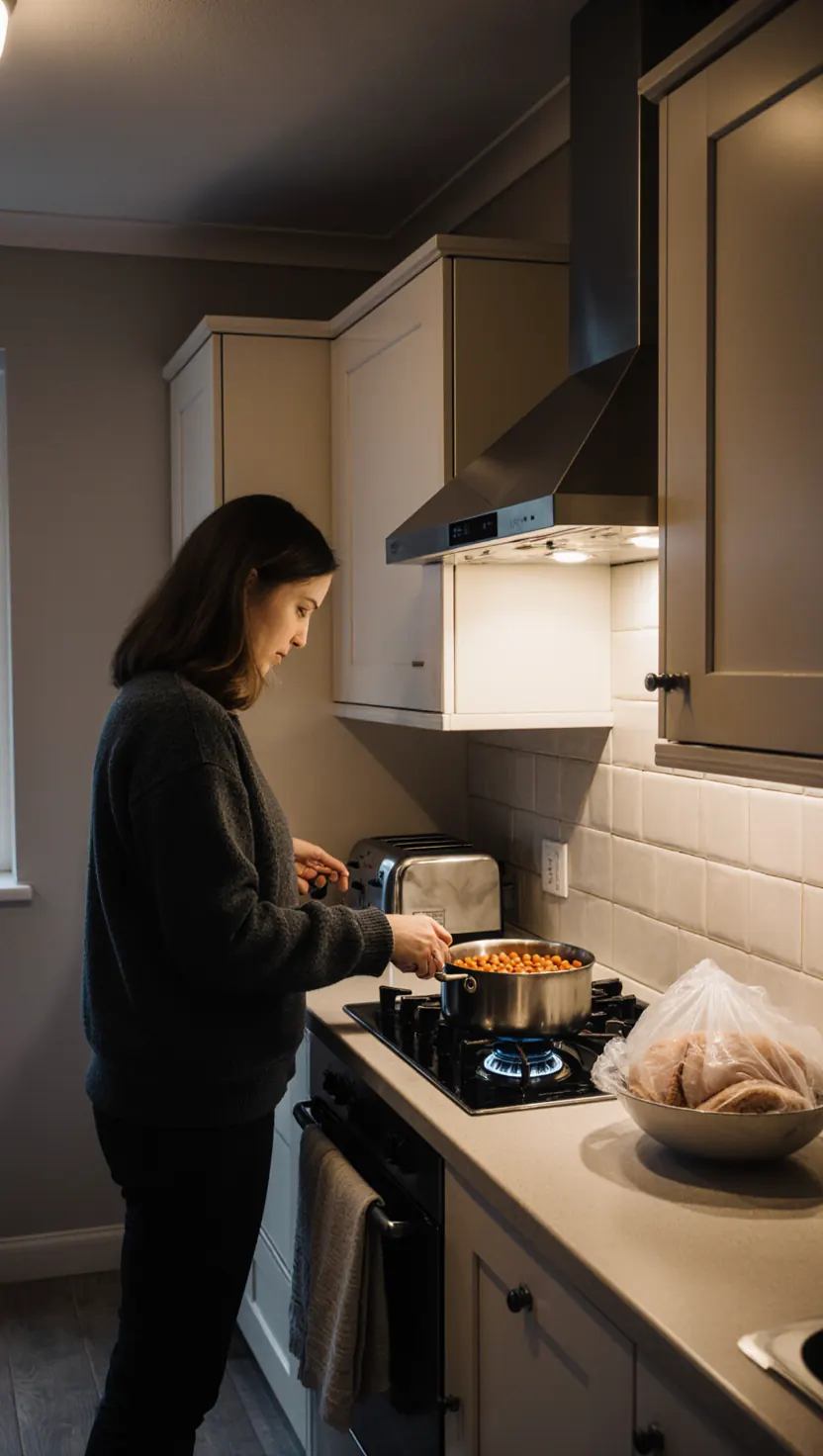
Every week something happens. A match runs late, someone’s off their food, or there’s simply no energy left. Keep one night with nothing planned. Leftovers, something from the freezer, beans on toast. If the night goes to plan, you’ve a spare dinner to carry into next week.
If that spare night tends to turn into a takeaway, plan it in. We’ve written about takeaway night without wrecking the week.
Write the shopping list from the plan
With the week decided, go through it one dinner at a time and write down what each one needs. Then check the cupboards, the fridge and the freezer, and cross off what you already have. What’s left is your shopping list, and it’s a much shorter list than the one you’d write from memory.
Keep it somewhere the whole house can add to. Our guide to one shopping list for the whole house explains how to stop the “you didn’t get the milk” conversation for good.
The list
Your week, planned
The plan doesn’t need to be perfect. It needs to be somewhere everyone can see it, so the question at ten past five already has an answer.
Clean plate