Shopping 3 min read
How to run one shopping list for the whole house
How a busy house can keep one shopping list everyone adds to, so whoever does the shop comes home with everything.
- Dad
You didn’t get the milk.
- Mum
Nobody told me we needed milk.
- Dad
It was on the list.
- Mum
What list?
Every house has had this conversation, usually in the hall, usually with the shopping still in the car. The person who did the shop isn’t the problem. The problem is that the list lived on the back of an envelope at home, in a text from Tuesday, and in somebody’s head, and none of those were in the shop.
One list, not five
A sticky note on the fridge, a message in the family group chat, a note on someone’s phone and a mental note all count as lists. That’s five lists, and the shopper only ever sees one of them.
Pick one place for the list and agree that it’s the only one. It should be somewhere everyone can add to from wherever they are, and somewhere the shopper can see in the shop. If it isn’t on the list, it doesn’t exist. That sounds harsh, but it’s oddly freeing.
If you finish it, you add it
This is the single rule that makes a shared list work. Whoever uses the last of something adds it to the list there and then, not three days later when they’re staring into an empty cupboard.
The last of the cereal, the last two eggs, the end of the washing up liquid. It takes five seconds when you’re holding the empty box, and it saves a second trip to the shop.

Say exactly what you mean
“Bread” can mean four different loaves. “Cheese” is a gamble. Write it the way you’d want to read it in the shop: a large white loaf, a block of mature cheddar, two tins of chopped tomatoes. If the brand or the size matters to you, say so on the list, because the shopper can’t read your mind from the bread aisle.
Write it in the order of the shop
Group the list the way your usual shop is laid out: fruit and veg, then the fridges, the cupboard aisles, the freezers and the household bits. It stops the walk back to the far end of the shop for the one thing you missed, and it gets everyone home sooner.
Tick it off in the shop
Tick each thing off as it goes in the trolley, not when you get home. Anything the shop didn’t have, leave unticked, so the house knows it still needs getting. Nobody should find out at teatime that the chicken never made it.
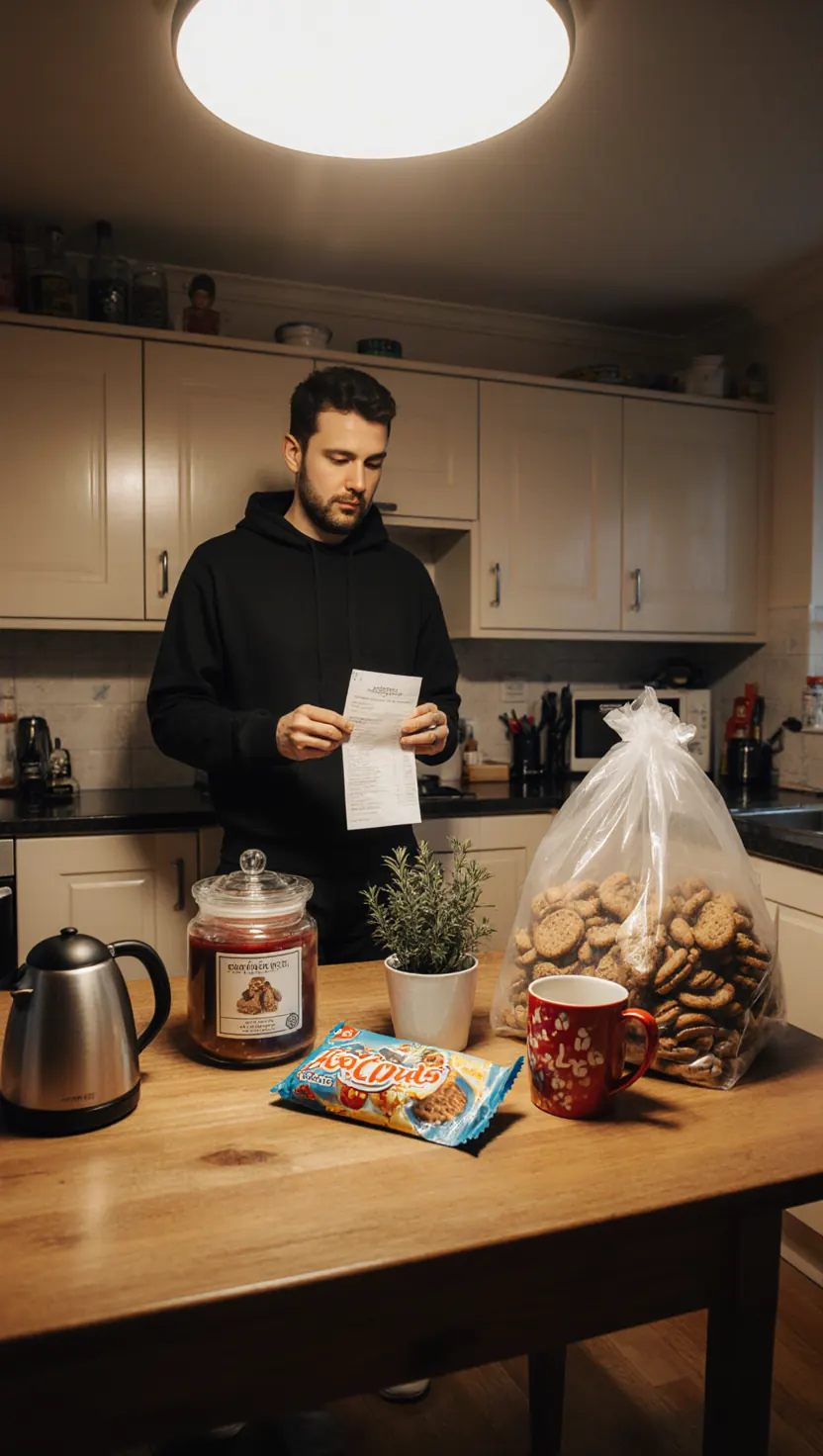
Start the list from the week’s dinners
The best shopping lists are written from a plan. Decide the week’s dinners first, then list what each one needs and check what’s already in. Our guide to planning a week of family dinners walks through it.
The list
House rules for the list
After a few weeks it stops feeling like a system and starts feeling like common sense. And the next time somebody says you didn’t get the milk, you can show them it was never on the list.
Clean plate