Shopping 5 min read
Are you paying chicken prices for water?
Some chicken comes with water, salt, sugar or starch added. It’s allowed as long as the label says so. Here’s how to read that label in ten seconds and work out what the chicken itself really costs.
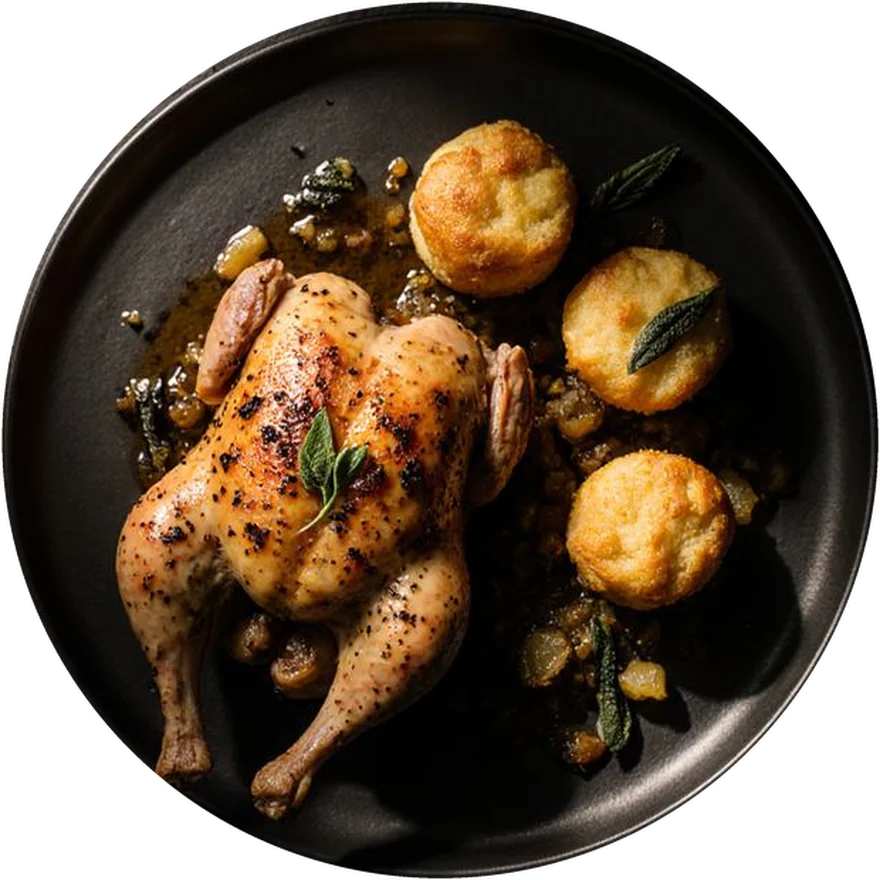
- Dad
Look how plump this chicken is.
- Mum
Read the back.
- Dad
Chicken, water, salt, sugar.
- Josh
So we bought a chicken and a drink.
Some chicken in the shops has had water added in the factory, sometimes with salt, sugar or starch as well. People call it pumped chicken. It’s allowed, as long as the label tells you, so the label is where you find out. Nobody needs a degree in food science. You need about ten seconds and the back of the pack.
What the law calls it
Once something is added to raw chicken, even plain water, the law stops treating it as plain fresh meat and calls it a meat preparation. Selling that is allowed, as long as what goes in is permitted and the label tells you. The added water rules are about making sure you’re told.
There’s nothing wrong with buying it, either. Sometimes the prepared joint is exactly what you want: it’s quick, the family likes it, and the price works. The trick is choosing it on purpose rather than by accident.
First, is there a list at all?
A plain chicken, breast or thigh with nothing added doesn’t need an ingredients list, because the name already says what’s in it. If the pack has a list naming anything besides chicken, something else has gone in. Read it.
Ingredients have to be listed heaviest first. So if water comes straight after chicken, there’s more water than anything else apart from the chicken. That tells you the order, not the amount. The amount comes next.
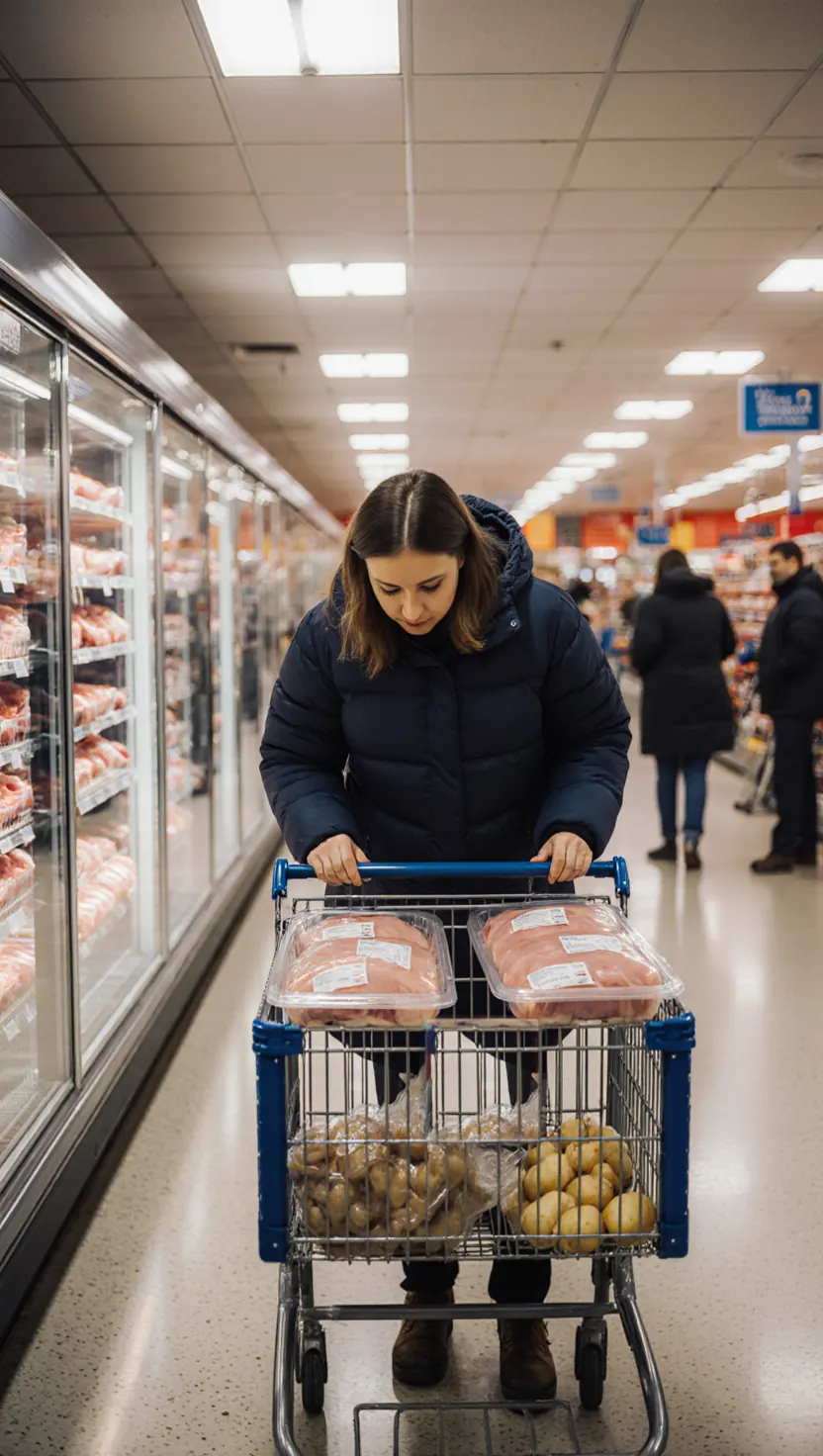
Look for the name and the number
If added water makes up more than 5% of something that looks like a breast, fillet, joint or whole bird, the name of the food has to say so, with words like “with added water”. That isn’t always the big name on the front, so check underneath it and on the back too.
At 5% or less, the water still has to be in the ingredients list. With raw meat, even a small amount has to be listed.
Then find the number. When chicken is one ingredient among several, the label should normally tell you how much of the pack is chicken, as a percentage. Look for it in brackets after the word chicken in the ingredients, or in or next to the name. That number is the most useful thing on the pack.
Words that should make you turn the pack over
Basted. Marinated. Ready to roast. For succulence. As far as we can find, none of these has a legal definition, so none of them tells you on its own whether water has gone in. Treat them as a polite nudge to read the back.
Two things the label has to tell you
If a chicken product has protein from a different animal added to it, the name has to say so, and say which animal. The government’s own example is “chicken breast with added pork protein”, which is not a sentence anyone expects to read on the way to the till.
And if something looks like a single piece of meat but is really pieces joined together, it has to say “formed meat”.
Do the sum
The price per kilo on the shelf label is worked out on the food as sold, and that includes any water added to the meat. So to see roughly what the chicken itself costs, divide the price per kilo by the chicken percentage written as a decimal.
Here’s a made up example, just to show the sum. Say the label says £6 a kilo and the ingredients say chicken (90%). Six divided by 0.9 is about £6.67. So each kilo of the chicken itself costs about £6.67, and a plain pack with nothing added at £6.50 a kilo gives you more chicken for your money. Use the numbers on the label in front of you.
It’s a rough guide rather than an exact figure, but it’s usually enough to settle it. In most bigger shops the shelf label shows a price per kilo. Smaller shops and reduced stickers don’t always, so the calculator on your phone earns its keep here.
At the counter
Buying loose chicken from a counter? The name of the food still has to be available to you, on a label or a ticket nearby, and if anything has been added, so does the meat percentage. If you can’t see it, ask.
Labels aren’t perfect
Labels can be wrong in both directions. When the Food Standards Agency tested frozen chicken, one pack promised “added water for succulence” and turned out to have no added water in it at all. Even the water hadn’t turned up.
Recent testing of fresh and frozen chicken also found some raw chicken with added water that the label didn’t mention. These were small, targeted checks of around 40 packs at a time, so they don’t tell you how common it is. Labels have to be accurate by law, but a label is a guide rather than a guarantee.
The list
The ten second label check
Read the back, do the sum, and pay for what you actually want. If the prepared one still wins, enjoy it. You chose it. And if anyone asks why you’re doing sums in the meat aisle, tell them it’s for succulence.
Clean plate